
New Brunswick Police Record Access
New Brunswick is the county seat of Middlesex County in central New Jersey. It is home to Rutgers University and has a population of about 57,000 people. New Brunswick police records are held by the city police department and are subject to public access under state law. The city has a busy downtown, a large student population, and a growing health care sector around Robert Wood Johnson University Hospital. Requests for police records in New Brunswick follow the same OPRA process used throughout New Jersey.
How to Request Records
New Brunswick police records are available through the Open Public Records Act. OPRA covers all public agencies in New Jersey, and the New Brunswick Police Department is one of them. You have the right to ask for records. You do not need to give a reason.
Get the OPRA form from the City of New Brunswick website. You can also use the state model form from the Government Records Council. Fill in what you need. Be specific about dates, names, and the type of record. Send the form to the city clerk or the police records custodian.
The city must respond in seven business days. If they need more time, they must tell you when the records will be ready. If your request is denied, you get a written reason. You can then appeal to the GRC or go to court.
Note: New Brunswick is the county seat, so the Middlesex County Courthouse is also in the city. Do not confuse city police records with county court records. They are different systems.
New Brunswick City Website
The City of New Brunswick website has links to all city departments, including the police department and the clerk office.
Visit the New Brunswick city portal for contact information, forms, and service details.

Look under the police department section for records-related contacts and the clerk section for OPRA forms.
New Brunswick Police Record Types
The New Brunswick police department creates many types of records. Most are public. Some have limits.
Incident reports are the most common. These document calls for service and crimes reported to the police. A theft report, a noise complaint, or a domestic call all generate incident reports. Most are available once the immediate investigation is done.
Arrest records show who was taken into custody. The daily arrest log is public by law. It does not require an OPRA request. The log includes the name, age, charges, and bail for each arrested person. Ask the police department for the daily log at any time.
Traffic crash reports are public. If you were in an accident in New Brunswick, you can get the police report. Provide the date, location, and names of people involved. The report number helps if you have it.
Given the large student population from Rutgers University, New Brunswick police handle many calls related to the downtown and college areas. Records from these incidents follow the same rules as any other police records in the city.
Criminal Investigatory Exemption
Not all New Brunswick police records are open. The criminal investigatory records exemption is the most common reason for denial. This exemption covers records that are part of a criminal investigation.
A notable case involving New Brunswick police tested this exemption. In Brennan v. Middlesex County Prosecutor (A-1994-15T2), the court addressed mobile video recordings of police pursuits that involved the New Brunswick Police Department. The Appellate Court found that these MVR recordings were exempt from disclosure as criminal investigatory records. The recordings were tied to active criminal cases, and the court ruled that they fell under the exemption.
This case shows that even routine-sounding records like dash camera footage can be withheld if they connect to a criminal investigation. The key question is whether the record was made or kept as part of a criminal probe. If it was, the exemption likely applies. If the record is routine and not tied to any investigation, it should be public.
The decision does not mean all video from New Brunswick police is exempt. Each request is judged on its own facts. A traffic stop video with no criminal charges may still be available. A video from a pursuit that led to criminal charges is more likely to be withheld.
Note: You can search for GRC decisions about New Brunswick and other cities at the GRC decisions database.
New Brunswick Crime Reports
New Brunswick crime data goes to the state through the Uniform Crime Reporting program. The New Jersey State Police publish this data in annual reports. You can find how many crimes were reported in New Brunswick each year, broken down by type.
The city has a mix of crime patterns. Property crimes are the most common, including theft, burglary, and motor vehicle theft. The downtown area and neighborhoods near Rutgers see more activity than quieter residential streets. Violent crime does occur but at lower rates than property crime.
The state crime reports below let you look up New Brunswick data and compare it to other towns.
Access New Jersey crime data for New Brunswick and Middlesex County.
The reports go back many years. You can track trends and see how policing and crime have changed in New Brunswick over time.
Middlesex County Court Records
Because New Brunswick is the county seat, the Middlesex County Courthouse is right in the city. Serious criminal cases from New Brunswick go through this court. Once a case moves to the county level, the records become court records.
You can search Middlesex County court cases at njcourts.gov. The eCourts system covers all case types. Enter a name or docket number to find case details. Basic information is free. Document copies require a fee or a visit to the clerk.
The Middlesex County Prosecutor handles felony cases. Their investigation files are mostly exempt from OPRA. But once a case is resolved, some records open up. Charging documents, plea agreements, and sentencing records are public in closed cases.
Appealing a Denied Request
If New Brunswick denies your records request, you have two options. You can file a complaint with the Government Records Council. This is free. The GRC will review the denial and decide if it was proper. The process can take months, but it costs nothing.
Your other option is Superior Court. This is faster in some cases but costs money. You need to file a verified complaint and serve it on the city. If you win, you may be entitled to attorney fees. If the court finds the denial was unreasonable, it can order the records released and award costs.
Both paths have their strengths. The GRC is best for straightforward cases where you just need a ruling. Court is better when the issue is urgent or the amount of records is large. Many people start with the GRC because it is free and does not require a lawyer.
Tips for Record Requests
Good requests get better results. Follow these guidelines when asking for New Brunswick police records.
- Use the official OPRA form or the state model form
- Name the exact record type you want
- Include dates, names, or case numbers
- Ask for electronic copies to save time and money
- Keep a copy of every request you submit
The city may charge for copies. Standard rates apply. Electronic records are often free or low cost. If the cost will be high, the custodian should tell you before making copies. You can narrow your request to reduce costs.
State Resources for Records
The New Jersey OPRA portal is the best state resource for understanding your rights. It has forms, guides, and contact details for the state records office.
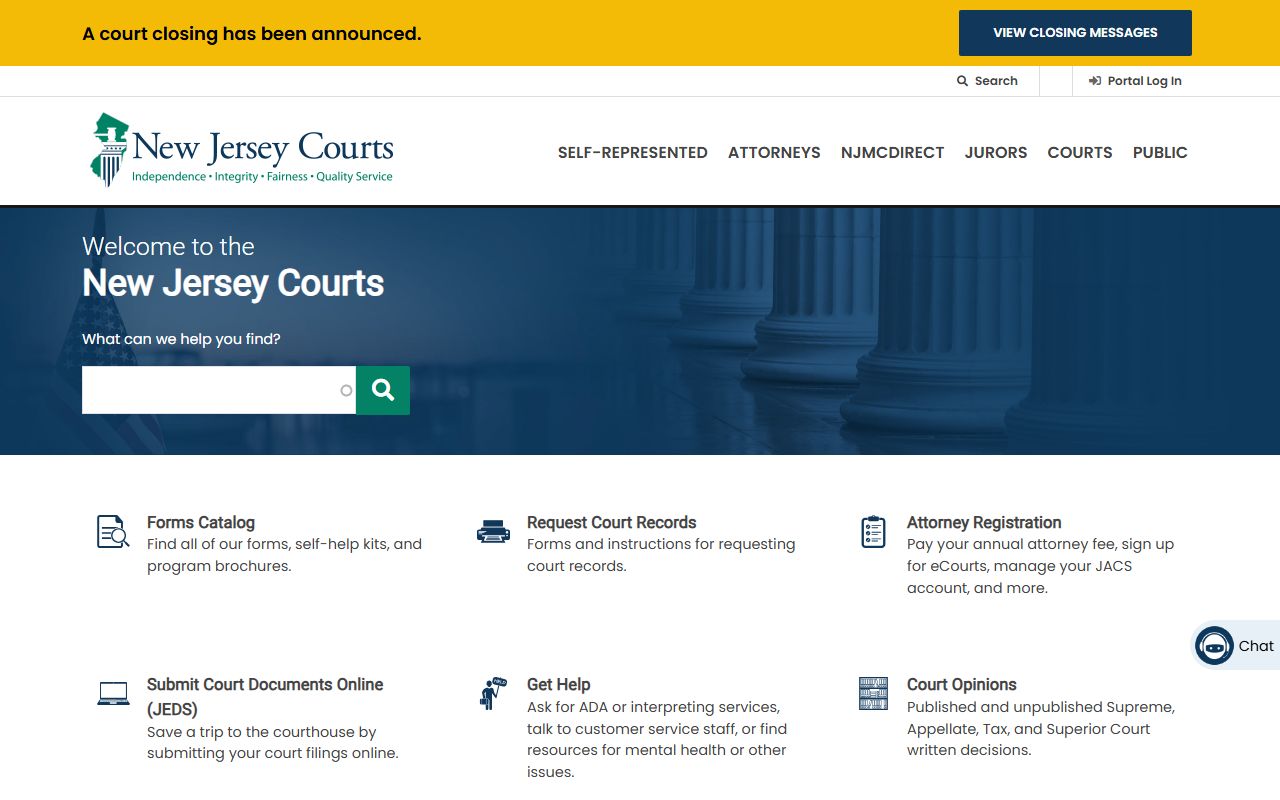
The courts portal above lets you search for New Brunswick cases that moved from the police level to the county court system.
Middlesex County Police Records
New Brunswick is the county seat of Middlesex County and sits at the center of the county justice system. County-level records, including court cases and prosecutor files, are closely tied to city police matters. For full details on county records, visit the Middlesex County page.